When the Music Stopped: How Onimusha Used Silence as Its Most Powerful Weapon
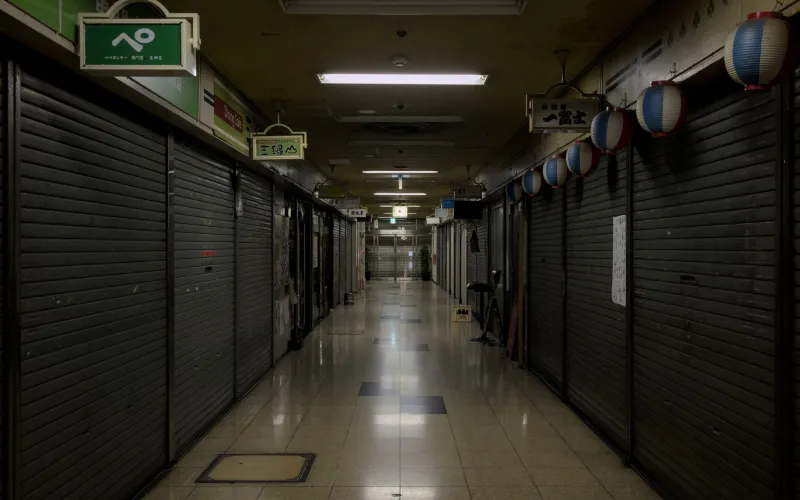
There's a moment early in the original Onimusha: Warlords that a lot of longtime fans probably remember without even realizing they remember it. You've just cleared a room, the last genma crumbles into a mist of soul orbs, and then — nothing. No victory fanfare. No swelling strings to signal your triumph. Just the ambient groan of Inabayama Castle settling around you, the faint drip of something wet somewhere in the dark, and the soft metallic whisper of Samanosuke's blade being lowered.
That silence wasn't an accident. It was a design choice, and it was doing more psychological work than most games' entire soundtracks combined.
The Ambient Architecture of Dread
Onimusha's audio team at Capcom understood something that a lot of modern action games seem to have completely forgotten: silence is information. When a game never stops feeding you music, your brain starts tuning it out. The score becomes wallpaper. But when a game earns its quiet — when it lets you sit in an empty corridor and actually listen — every creak, every distant shriek, every scrape of something moving just out of frame lands with genuine weight.
The castle environments in Onimusha weren't just visually oppressive. They were acoustically claustrophobic. Stone chambers ate sound in ways that made your own footsteps feel intrusive. Wooden corridors had a hollow resonance that turned ordinary movement into something that felt like a mistake. The designers layered environmental audio with real intentionality, using the natural reverb of feudal architecture to make Samanosuke feel small and exposed even when he was, technically, the most dangerous thing in the room.
Compare that to something like a modern God of War title — which is a genuinely excellent series, no disrespect — where Bear McCreary's score is an almost constant presence, guiding your emotional state, telling you when to feel epic, when to feel sad, when to feel triumphant. It's masterful work. But it's also a safety net. You always know where you stand emotionally because the music is telling you. Onimusha ripped that net away and made you figure it out yourself.
Steel on Steel: The Combat Soundscape
The actual moment-to-moment combat audio in Onimusha deserves its own conversation, because it was doing something genuinely sophisticated for its era. Weapon impacts weren't just punchy sound effects dropped on top of animations — they had weight and texture that communicated information. A clean critical strike sounded different from a glancing blow. The wet, heavy thud of a genma taking a finishing hit was distinct from the lighter crack of a deflected attack. Your ears were giving you combat feedback your eyes might have missed.
This mattered enormously in tight encounters. Onimusha's combat was never about button-mashing your way through crowds. It was deliberate and positional, built around timing windows and resource management. In that context, audio cues weren't just atmosphere — they were mechanical. The specific clang of a blocked attack told you something about spacing. The grunt an enemy made when staggered told you something about timing. Strip all of that out and replace it with a wall of orchestral music, and you've actually made the game harder to read, not easier.
Modern character action games have largely moved toward audio design that prioritizes spectacle over information. Hits feel big, which is satisfying, but the nuance that comes from layered, restrained sound design often gets buried under the production value. Onimusha's approach was almost the inverse — understated by choice, precise by necessity.
The Psychological Play of Earned Music
None of this is to say Onimusha had no score. It absolutely did, and composer Mamoru Samuragochi's contributions to the original game remain genuinely haunting. But the music was deployed sparingly and strategically, which meant that when it did arrive, it carried real emotional mass.
Boss encounters are the clearest example. Walking into a major demon fight in Onimusha often came with a shift in the audio landscape — a shift you felt before you could fully articulate why. The ambient environmental sounds would change character. Something would feel off. Then the music would kick in, and it wasn't the same kind of constant underscore you'd hear in most games. It felt like a signal that the rules had changed, that whatever came next was operating on a different level.
That's a fundamentally different relationship between player and score than what most contemporary action games offer. When music is everywhere all the time, it stops being a signal. When music is rationed, its presence becomes an event.
What's Been Lost in the Arms Race
The shift away from this kind of restrained audio design isn't hard to explain. Games got bigger, budgets got larger, and the pressure to deliver cinematic experiences pushed sound design toward maximalism. If your game has a full orchestra recording in Prague, you're going to use it. Hollywood taught the industry that silence is dead air, and dead air is a failure.
But something real got left behind in that transition. The specific flavor of dread that Onimusha generated — that low-grade, persistent unease that made even routine corridor exploration feel like it mattered — is almost impossible to manufacture when every moment is scored. You need the quiet to make the noise mean something.
There are exceptions. Some horror-adjacent titles still understand this, and a handful of indie developers have explicitly cited Japanese PS2-era games as influences on their audio philosophy. But in the mainstream action space, Onimusha's approach to sound has become genuinely rare, which is a shame, because it was one of the things that made those games feel so different from everything else on the shelf.
Listening to It Again
If you haven't played the Onimusha: Warlords remaster in a while, do yourself a favor and put on headphones next time. Not for the visuals, which hold up reasonably well — but for the audio. Pay attention to what the game chooses not to do. Notice how long it's willing to sit in environmental sound before it gives you anything musical. Notice how much the combat feedback communicates through texture and tone rather than volume and impact.
It's a different kind of game design philosophy, one that trusted players to find meaning in restraint rather than demanding the soundtrack explain everything in real time. And honestly? Twenty-plus years later, it still hits different. Some demons don't need a battle anthem to feel dangerous. Sometimes the scariest thing in the room is the sound of nothing at all.