Before the Bonfire: How Onimusha Laid the Groundwork for the Soulslike Revolution
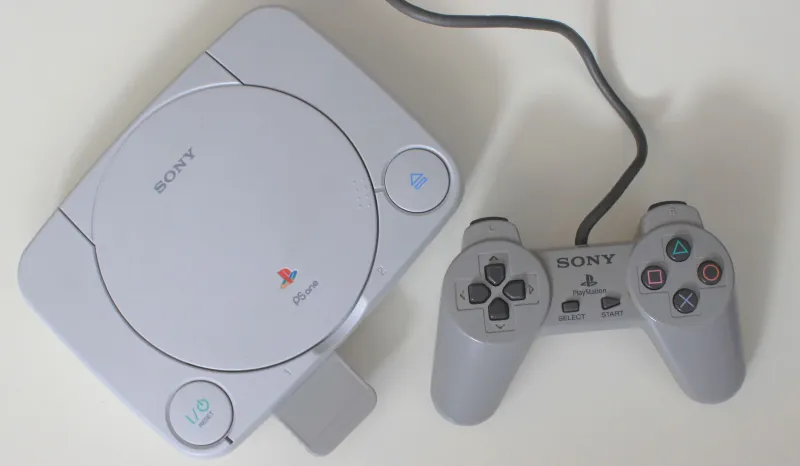
Every few years, gaming discourse circles back to the same question: where did the soulslike genre really come from? The conversation almost always starts and ends with FromSoftware — Demon's Souls, Dark Souls, the whole lineage. And look, that pedigree is real. Nobody's taking a trophy away from Miyazaki's crew. But if you want to talk about the actual soil those ideas grew in, you have to rewind to the early 2000s, to a PS2 launch title that sold millions of copies and then somehow got written out of the genre history books.
We're talking about Onimusha, obviously. And the case for it being a quiet spiritual predecessor to the soulslike genre is a lot stronger than most people give it credit for.
Deliberate Combat Wasn't Invented in Lordran
Here's the thing about Onimusha's combat that gets glossed over in retrospectives: it was slow on purpose. Not clunky, not unpolished — slow by design. Samanosuke's movement had weight. His sword swings had commitment. You couldn't spam your way through a tough enemy encounter and expect to survive, because the game punished button-mashing in ways that felt almost philosophically opposed to the hack-and-slash genre it was supposedly part of.
That defensive emphasis — the way the game rewarded patience, timing, and reading enemy patterns over raw aggression — is exactly the DNA that soulslike fans celebrate today. The critical block system in Onimusha, where landing a perfectly timed guard created a stun window for a counterattack, is functionally similar to the parry mechanics that define FromSoftware's combat loop. Players who figured that out felt the same kind of earned satisfaction that Dark Souls veterans describe when they finally nail a Pontiff Sulyvahn parry.
Capcom wasn't stumbling onto this accidentally. The team knew they were building something that demanded engagement, not just reflexes.
Resource Pressure and the Fear of Running Dry
One of the defining feelings of any soulslike is scarcity — the low-key dread of using your last estus flask before a boss fog gate, or spending your souls on a level-up and then dying on the next run. Onimusha built that same psychological pressure into its medicine and magic system years earlier.
Flame Medicines weren't handed out freely. Magic was finite. You had to make decisions about when to heal and when to push through, and the game's limited inventory slots meant you were constantly doing quiet mental math about risk versus reward. That's not an action game design philosophy. That's a survival-horror-adjacent tension that the soulslike genre would later refine into an art form.
The Oni spirits and their absorption mechanic added another layer — a mini-economy of souls (yes, souls) that rewarded aggressive play while keeping you aware that leaving orbs on the ground was leaving power behind. Sound familiar? It should.
Checkpoints as Scarce Commodities
Modern soulslike players have a complicated relationship with bonfires, sites of grace, and whatever the current FromSoftware equivalent is. These rest points aren't just save locations — they're psychological anchors. The distance between them is part of the design tension.
Onimusha used the Fluorite stone and magic mirror system in a way that created comparable friction. You couldn't save anywhere. You had to find mirrors, and finding one felt like exhaling after holding your breath. The relief was genuine because the game made you earn it. That pacing — long stretches of tension punctuated by brief moments of safety — is almost identical to how soulslike level design operates today.
Smaller indie teams building their own soulslike experiences have talked openly about studying how older games created tension through save point scarcity. Onimusha is one of the clearest examples of that principle applied well, even if it doesn't always make the citation list.
The Atmosphere of Hostile Beauty
Beyond mechanics, there's something harder to quantify but equally important: vibe. Dark Souls and its descendants are famous for building worlds that feel gorgeous and threatening simultaneously — places you want to explore even as they make clear they'd rather you didn't exist.
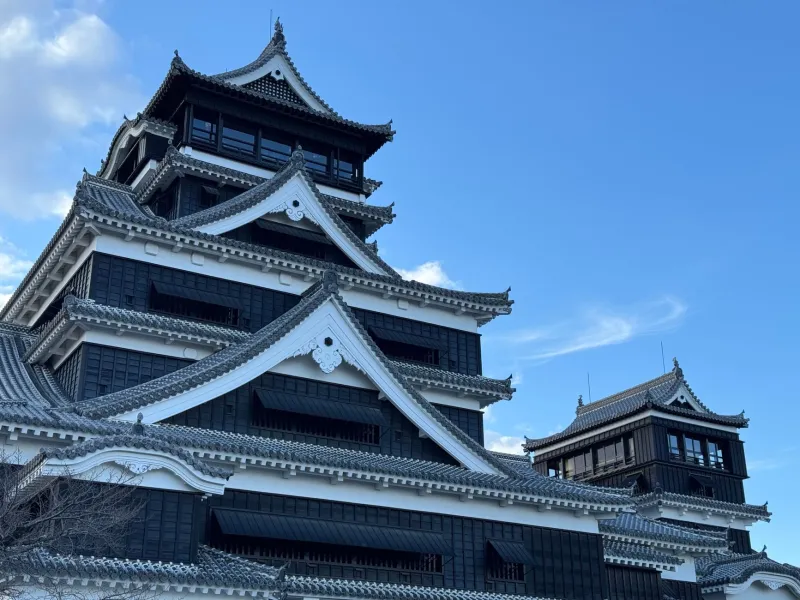
Inabayama Castle in the original Onimusha had that same energy. The pre-rendered backgrounds were stunning. The demon-corrupted architecture was visually rich. And yet the whole place felt like it was designed to kill you. That tension between aesthetic wonder and environmental hostility is a cornerstone of soulslike world design, and Onimusha was doing it on PS2 hardware in 2001.
The game's Japanese feudal setting also established something important: that this kind of punishing, deliberate action could work outside of Western medieval fantasy. A lesson that later soulslike developers — including FromSoftware with Sekiro — clearly internalized.
Why the Credit Gap Exists
So why doesn't Onimusha show up in more "history of the soulslike" deep dives? A few reasons, probably. The series went quiet after Dawn of Dreams in 2006, which meant it wasn't around to stake its claim when Dark Souls was redefining the conversation in 2011. The games also marketed themselves as action titles rather than anything approaching the survival or RPG categories, so the mechanical overlap got framed as coincidence rather than influence.
There's also the platform legacy issue. A lot of younger soulslike fans discovered the genre on PC or current-gen consoles, where Onimusha has had almost no presence. If you didn't have a PS2 in the early 2000s, there's a real chance you've never touched it — and that gap in lived experience makes it easy to dismiss the connection.
The Lineage Deserves Recognition
None of this is about diminishing what FromSoftware built. Dark Souls is a landmark. Elden Ring is a masterpiece. The soulslike genre has earned every bit of its cultural footprint.
But gaming history is richer when we trace ideas back to their actual origins, and the honest origin story of deliberate, punishing, atmosphere-heavy action games runs through Inabayama Castle before it ever reaches Lordran. Onimusha didn't just influence the genre — it proved the concepts worked at a commercial scale, on a mainstream platform, with a mainstream audience.
That's not a footnote. That's a foundation.
If you've been sleeping on Onimusha because it doesn't carry the soulslike label, this is your sign to go back. Boot up the remaster, or dig out your old PS2 copy, and pay attention to how the game makes you feel. That low hum of tension, the weight in every sword swing, the relief when you finally find a save mirror — you've felt all of that before. You just called it something else.