Steel, Silk, and Sorcery: How Samanosuke's Armor Told the Story of Onimusha's Creative Soul
There's a reason people still pull up screenshots of the original Onimusha: Warlords and just stare. Even by today's standards, there's something magnetic about that opening — a samurai standing in the firelight, armor gleaming, the weight of a dying feudal Japan pressing down on every pixel. But what made Samanosuke look the way he did? And why did that look keep changing?
If you trace his armor across the franchise, you're not just tracking a character redesign. You're watching Capcom evolve in real time — technically, artistically, and philosophically. Every rivet, every color shift, every new accessory says something about where the team was, what tools they had, and what story they were trying to tell.
The Original Blueprint: Grounded in Grit
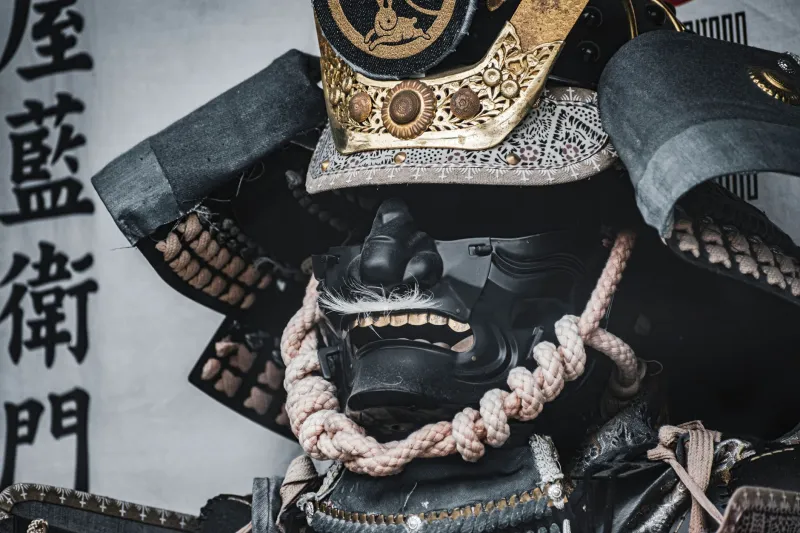
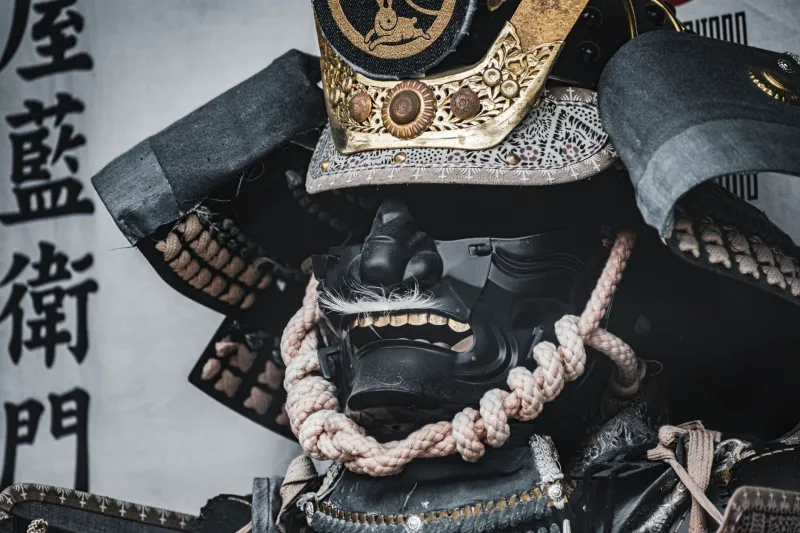
When Onimusha: Warlords dropped on the PS2 in early 2001, Samanosuke wore something that felt almost restrained for a video game hero. His armor was dark, layered, and unmistakably Japanese — drawing from real tosei-gusoku design traditions rather than the fantasy-inflated plate mail you'd find in most Western games of the era. The color palette leaned into earthy reds and blacks, grounding him in a world that wanted to feel historical even as demons poured out of the walls.
A big part of that was the Takeshi Kaneshiro likeness — Capcom famously modeled Samanosuke's face on the Hong Kong-Japanese actor, which pushed the entire character design toward realism. You couldn't dress a face that recognizable in something cartoonish. The armor had to match the face, and the face demanded gravity.
Technically, the PS2's limitations actually helped here. Pre-rendered backgrounds kept the camera locked, which meant Capcom could pour detail into specific angles without worrying about how the model looked from every direction. The result was a character who looked intentional — like every piece of his kit had been considered.
Warlords to Dawn: Cleaning Up Without Losing the Edge
By the time Onimusha 3: Demon Siege arrived in 2004, Samanosuke had been through Samurai's Honor (the second game, which shifted focus to Jubei), and the design team came back to him with fresh eyes. The Demon Siege version of his armor is where things get interesting.
The silhouette got sharper. The textures, benefiting from a full console generation of developer familiarity with the PS2 hardware, showed more surface complexity — you could actually feel the difference between the lacquered plates and the fabric underlayer. But the more notable shift was tonal. Demon Siege sent Samanosuke to modern-day Paris, and the designers had to make him look like a warrior out of time without making him look ridiculous standing next to a French cop.
Their solution was subtle but smart: they kept the core silhouette recognizable while making the armor feel almost archetypal — less "specific feudal Japan" and more "timeless warrior." It was the visual equivalent of a classic suit. He could walk into any era and still read as formidable. That's harder to pull off than it sounds.
Color as Language: What the Gauntlet Communicates
One element that doesn't get enough credit is the Oni Gauntlet — that glowing, soul-absorbing piece of supernatural hardware strapped to Samanosuke's arm. It's not just a gameplay mechanic. Visually, it functions as a constant reminder that this isn't a historical drama. It's a horror-action story wearing samurai clothing.
The gauntlet's glow shifts depending on which Oni spirit is equipped, cycling through warm ambers, cool blues, and electric purples. In a game where the rest of the palette trends toward muted, period-accurate tones, that pop of supernatural color is doing real work. It tells you, at a glance, that Samanosuke isn't just a samurai — he's something more. The armor grounds him in history; the gauntlet lifts him out of it.
This kind of visual storytelling — using color to signal status or power — is something the best character designers in games do instinctively. Capcom was doing it here before most Western studios had figured out that character design was even a conversation worth having.
The Genma Onimusha Detour: When Darkness Got a Makeover
Genma Onimusha, the Xbox-enhanced port of the original, gave Samanosuke a darker, more elaborate armor variant for players who unlocked it. It's a small thing in the grand scheme, but it points to something Capcom understood early: fans care about how their protagonist looks, and giving them aesthetic rewards matters.
Alternate costumes and armor upgrades weren't new to gaming, but tying them to the Oni power system — making visual changes feel earned through gameplay — was a smart move. It reinforced the idea that Samanosuke's look wasn't fixed. It was a reflection of his power level, his journey, and by extension, the player's progress.
What the Evolution Actually Tells Us
Zoom out and look at all of it together, and a pattern emerges. Each version of Samanosuke's armor is a response to something — the hardware available, the story being told, the tone the team was chasing. The original was grounded and realistic because the game needed credibility. The Demon Siege version was iconic and clean because the story demanded a hero who could exist anywhere. The alternate and upgraded variants were indulgent and expressive because the franchise had earned the right to have a little fun.
That's actually a pretty healthy design philosophy. The armor was never just cosmetic. It was a visual argument for what kind of game you were playing.
For a series that never got the mainstream recognition it deserved in the West, Onimusha's character design work holds up remarkably well. Samanosuke still looks cool. He still looks right. And if you know what to look for, he still tells you everything you need to know about where Capcom's head was at — one armor plate at a time.