Slow Burn, Sharp Steel: How Onimusha's Pacing Turned Every Victory Into Something You Actually Earned
There's a particular kind of satisfaction that's getting harder and harder to find in modern action games. It's not the dopamine spike you get from a combo counter ticking into the hundreds, or the rush of a loot drop landing at legendary rarity. It's something quieter — the feeling that you earned what just happened, that the game respected your time enough to make the journey to that moment actually mean something.
Onimusha understood that feeling intuitively. And the secret wasn't buried in the combat mechanics or the upgrade systems or even the storytelling, though all of those contributed. The real magic was in the pacing — a deliberate, almost architectural rhythm that shaped how every single element of the game landed. It's a design philosophy that almost nobody talks about when they bring up the series, and that's a genuine shame.
The Breathing Room Nobody Appreciated at the Time
Cast your mind back to the early PS2 era. The console action genre was in a kind of arms race — more enemies, faster combat, bigger set pieces. Devil May Cry was rewriting expectations. God of War was still a few years away but the appetite for spectacle was already there. Into this environment, Onimusha dropped something that felt almost counterintuitive: space.
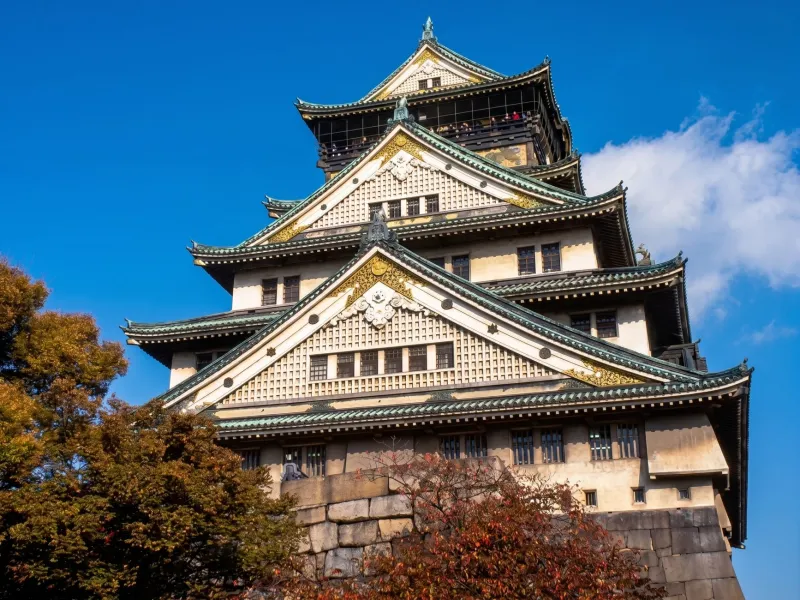
Not empty space, mind you. The corridors of Inabayama Castle weren't long stretches of nothing. But between the combat encounters, the game gave you room to actually exist in its world. You'd solve a puzzle. You'd backtrack through a familiar hallway and notice something you'd missed. You'd read an item description and piece together a little more of the larger story. These weren't padding — they were breaths, deliberately placed to let the tension build back up before the next confrontation.
Modern action games tend to treat that kind of downtime as a problem to solve rather than a tool to use. The result is games that are relentlessly stimulating but somehow exhausting to remember. You can play six hours of certain contemporary titles and struggle to recall a specific moment that felt genuinely tense, because every moment was calibrated to feel equally intense. Onimusha had the wisdom to understand that contrast is everything.
Why the Slow-Burn Story Structure Actually Worked
The storytelling pacing in Onimusha gets underrated for similar reasons. The game wasn't in a hurry to explain itself. You got information in pieces — a cutscene here, an item description there, an environmental detail that rewarded observation. The broader narrative around Samanosuke's connection to the Oni gauntlet, the political intrigue surrounding Nobunaga's demon-fueled ambitions, the personal stakes woven into the mission — none of it was dumped on you in a single exposition sequence.
That approach asked something of the player. It required a little patience, a willingness to sit with ambiguity for a while before the picture clarified. And crucially, that patience was rewarded. When story beats landed, they landed with weight, because you'd been given time to actually invest in the situation rather than just processing plot points as they streamed past.
This is genuinely hard to pull off. A lot of games that try the slow-burn narrative approach just end up feeling sluggish. Onimusha threaded that needle because the non-story moments — the exploration, the combat, the resource management — were interesting enough to sustain engagement while the story gathered itself. Neither element was leaning entirely on the other.
Combat as Punctuation, Not Wallpaper
Here's where the pacing philosophy really shows its teeth. Because Onimusha's encounters weren't constant, they functioned more like punctuation than background noise. When a door opened and demons materialized from the floor, that moment carried genuine stakes — partly because the game's combat had a real skill ceiling, and partly because you hadn't fought anything in the last five minutes.
The absorption mechanic added another layer to this. You had a limited window to harvest souls from fallen enemies, which meant that post-fight sequence wasn't downtime — it was an active, slightly tense ritual that kept you engaged even after the last enemy dropped. Then the silence returned, and you moved on, carrying those resources into whatever came next.
Compare that to a game where combat is essentially continuous. When you're fighting every thirty seconds, individual encounters stop registering as events. They become the texture of the game rather than the story of the game. Onimusha's encounters were events. You remembered specific fights, specific rooms, specific moments of near-failure that turned into success. That's not an accident — it's the direct result of a pacing structure that gave each encounter room to breathe.
Progression That Felt Like It Meant Something
The measured approach extended to how Onimusha handled character growth. Upgrades came slowly enough that each one felt meaningful. When you finally powered up a weapon to a new tier, or unlocked a new ability, it wasn't just a number changing on a stat screen — it was a tangible shift in how the game felt to play. You noticed the difference.
Fast-track upgrade systems, where you're constantly dumping points into something every few minutes, tend to create a kind of progression numbness. The upgrades are always coming so there's never a moment where any single one feels significant. Onimusha's slower drip meant that when something changed, it registered as an actual event in your experience of the game.
What Modern Games Could Relearn From This
None of this is an argument that slow automatically equals good, or that contemporary action games are worse because they move faster. Plenty of modern titles are brilliant specifically because of their relentless momentum. But there's a real gap in the market — a gap that Onimusha used to occupy — for action games that trust the player enough to slow down, to build tension through restraint, to make victories feel genuinely earned rather than statistically inevitable.
The irony is that the games doing something closest to this approach — certain survival horror titles, some of the more methodical soulslike entries — tend to get praised specifically for creating that sense of weight and consequence. They just don't always get credit for inheriting it from the PS2-era design philosophy that Onimusha helped define.
If Capcom ever does bring the series back, and the arguments for doing exactly that are getting harder to ignore, the pacing philosophy needs to come with it. Not as a museum piece, but as a genuine design commitment. The formula nobody talks about is the one that made everything else in Onimusha actually work.
And in a gaming landscape that increasingly treats your attention as something to be captured rather than respected, that formula sounds more valuable now than it ever did.