Small Studios, Big Demons: The Indie Games That Onimusha Quietly Inspired
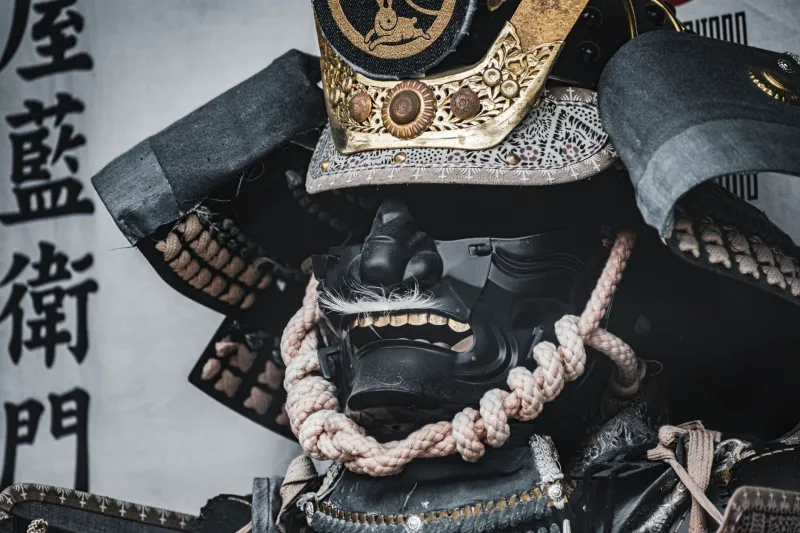
There's a certain kind of game that never quite gets its flowers while it's alive. Onimusha was a genuine phenomenon when it launched on PS2 in 2001 — it moved over two million copies in its first few months, made Capcom a boatload of money, and proved that samurai action had a serious audience in the West. But somewhere between the sequels and the silence, the franchise faded from mainstream conversation.
What didn't fade, though, was the influence.
While AAA studios chased the next big thing, a quieter inheritance was taking shape in the indie space. Developers who grew up renting Onimusha from Blockbuster, or who discovered it through a friend's PlayStation, carried those memories into their own design work. The result? A loose but very real lineage of indie titles that owe more to Samanosuke Akechi than most people realize.
The Formula That Fit in a Small Budget
Here's the thing about Onimusha's design that made it so replicable: it was elegant by necessity. The fixed camera angles, the contained environments, the emphasis on reading enemy patterns over button-mashing chaos — none of that was accidental. Capcom built a game that felt massive but was actually quite disciplined in scope. For indie developers working with small teams and limited resources, that discipline is a gift.
You don't need an open world to make a great action game. You don't need a hundred enemy types or a crafting system that takes forty hours to master. Onimusha proved that a focused combat loop, meaningful resource management, and a strong aesthetic identity could carry a game all the way to the finish line. Indie studios figured that out fast.
The soul-absorption mechanic alone — that frantic window after killing a demon where you scramble to collect glowing orbs before they disappear — is one of the most elegantly tense ideas in action game design. It turns every kill into a micro-decision. It rewards aggression and punishes passivity. And it costs nothing to implement conceptually. You just need the design philosophy to back it up.
Specific Games That Carry the Torch
Let's talk about some names.
Aragami (2016, Lince Works) gets brought up a lot in stealth conversations, but its aesthetic debt to feudal Japanese demon lore and its emphasis on deliberate, read-the-room gameplay over frantic action places it squarely in Onimusha's spiritual neighborhood. The shadow powers feel like a direct cousin to the Oni Gauntlet's elemental magic system.
Ghost of a Tale isn't a demon slayer in the traditional sense, but its commitment to atmosphere, limited combat resources, and a single protagonist navigating a world that feels genuinely dangerous echoes Onimusha's design philosophy more than most people credit.
Then there's Fallen Aces and the broader wave of games that embrace fixed or semi-fixed perspectives as an intentional choice rather than a technical limitation. These developers aren't just being nostalgic — they're recognizing that constrained camera angles create tension in a way that full 3D freedom simply can't replicate.
More recently, Kunitsu-Gami: Path of the Goddess (yes, technically Capcom, but stay with us) showed that the hunger for Japanese-mythology-driven action is very much alive — and the indie community noticed the reception it got.
What Developers Actually Say
The indie dev community is pretty open about its influences when you dig into interviews and dev blogs. A recurring theme among action game developers who grew up in the late '90s and early 2000s is the impact of what you might call "PS2 precision" — games that didn't have the horsepower for spectacle, so they poured everything into feel.
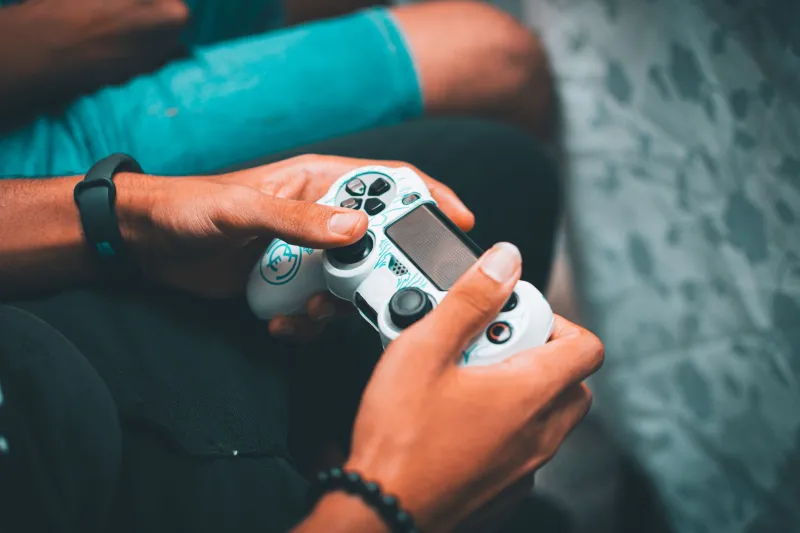
Onimusha sits at the top of that list for a lot of people. The weight of the sword swings. The way enemies staggered. The very specific satisfaction of a timed Issen critical strike landing just right. These aren't things you forget. And when you sit down to build your own combat system, those tactile memories become a kind of internal design document.
Several developers in the indie space have pointed to the Onimusha series as a reference point when describing what they were chasing — that blend of accessibility and depth, where a newcomer can pick it up and feel competent, but a veteran can find layers of technique that the surface never advertises.
The Aesthetic Pipeline
Beyond mechanics, Onimusha's visual and tonal identity has quietly shaped how indie studios approach Japanese-influenced settings. The game wasn't just "feudal Japan" in a broad, generic sense — it was specific. Inabayama Castle had texture and weight. The demon designs pulled from actual yokai mythology. The lighting was moody and deliberate.
That specificity gave the game a personality that purely mechanical clones can't replicate. And it's why the indie titles that feel most genuinely Onimusha-adjacent aren't just the ones with similar combat systems — they're the ones that committed to a singular aesthetic vision and stuck with it, even when the budget made that commitment painful.
Building a world with limited assets but maximum intentionality is an Onimusha lesson that doesn't get talked about enough.
Why This Lineage Matters
Capcom hasn't given us a mainline Onimusha title since Dawn of Dreams in 2006. The 2019 remaster of the original was a welcome gesture, but it wasn't a revival. In that vacuum, the franchise's influence has had to travel through other people's work — through developers who absorbed the lessons and built something new.
That's not a sad story, actually. It's kind of a cool one. The best ideas in game design don't die when a franchise goes quiet. They migrate. They show up in unexpected places, wearing different costumes, speaking in different genres.
If you're an indie developer reading this — yeah, we see you. The fixed camera. The tight combat window. The way your enemies drop glowing pickups that disappear if you wait too long. We know where some of that came from. And we're not mad about it.
For everyone else: next time you pick up a smaller action game with a feudal or mythological Japanese setting and think "this feels familiar somehow" — there's a good chance you're feeling the ghost of Samanosuke Akechi standing behind it. Twenty-plus years later, the Oni Gauntlet's reach is longer than anyone expected.