One Samurai, One Story: Why Onimusha's Solo Focus Was Its Greatest Strength
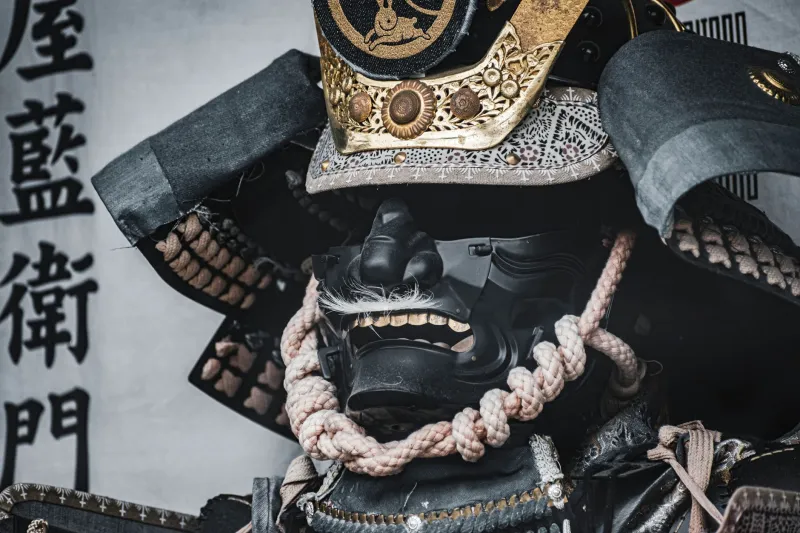
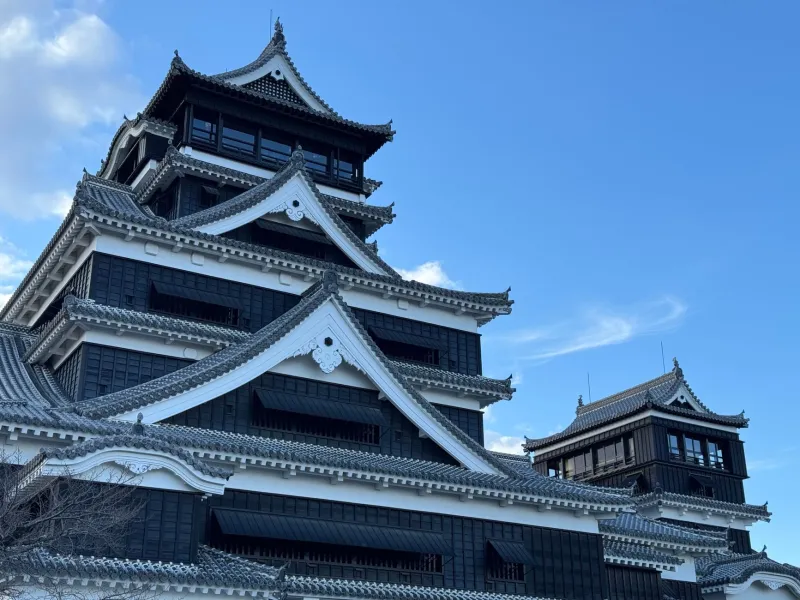
There's a moment in the original Onimusha: Warlords that almost nobody talks about but everybody who's played it remembers. You're alone in a dim corridor somewhere deep inside Inabayama Castle. The ambient sound drops to almost nothing. A single candle flickers somewhere off-screen. And then something moves in the shadows.
That moment only works because you are completely, utterly alone.
No squad to back you up. No co-op partner cracking wise in a voice chat. Just Samanosuke Akechi, his gauntlet, and whatever nightmare Capcom decided to throw at him next. It's a specific kind of tension that multiplayer simply cannot manufacture — and it's the tension that made Onimusha matter.
The PS2 Era Was a Co-Op Gold Rush
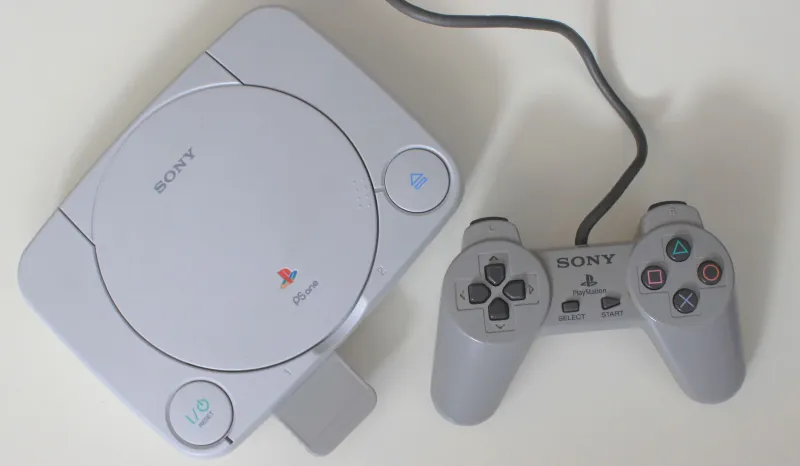
Let's set the scene. The PlayStation 2 years — roughly 2000 to 2006 — were when developers really started figuring out that putting two players in the same game was a reliable way to sell more copies. Champions of Norrath, Baldur's Gate: Dark Alliance, Socom, SOCOM II, Ratchet & Clank: Up Your Arsenal — the list of games leaning into cooperative or competitive multiplayer during that window is enormous.
Even action-adjacent games were getting the treatment. Resident Evil — arguably Onimusha's closest spiritual cousin — eventually went full co-op with Resident Evil 5 in 2009, a decision that still splits the fanbase to this day. The industry logic was simple: more players equals more engagement, more engagement equals better word of mouth, better word of mouth equals higher sales.
Capcom could have followed that same playbook with Onimusha. Imagine a version of Onimusha 3 where Samanosuke and Jacques Blanc actually team up on-screen in real time, with a friend controlling the other character. On paper, that sounds kind of cool. In practice, it probably would have gutted the thing that made the game special.
Loneliness Was a Design Feature, Not a Bug
Here's what often gets overlooked when people discuss the Onimusha series: the isolation was intentional storytelling. Samanosuke isn't a general commanding an army. He's not a guild leader or a squad captain. He's a ronin — a wandering swordsman with a cursed gauntlet and a personal stake in stopping a demonic invasion. That's an inherently solitary premise.
The game design reflected that premise at every level. The fixed camera angles — borrowed from Resident Evil and used brilliantly here — created claustrophobic, carefully framed shots that made you feel small inside massive, hostile spaces. The resource management, the limited healing items, the deliberate pace of combat — all of it was calibrated for a single player navigating a world that was actively trying to kill them.
Add a second player and you immediately have to recalibrate all of that. Do you double the enemy count? Adjust the item economy? Redesign the camera system entirely? Every concession you make to accommodate co-op chips away at the atmosphere. And atmosphere was Onimusha's whole thing.
What Modern Gaming's Multiplayer Obsession Would Have Cost the Franchise
Fast forward to today, and the pressure to include multiplayer in single-player-focused games has only intensified. Live service models, battle passes, and the eternal chase for "engagement metrics" have pushed studios to justify every title through a multiplayer lens. Even franchises that have no business going online — we're looking at you, certain open-world RPGs — end up with tacked-on competitive modes that nobody asked for.
If Onimusha were launching in 2024 instead of 2001, it's genuinely hard to imagine it surviving that gauntlet without some kind of multiplayer compromise. Publisher mandates, focus group feedback, the looming shadow of Game Pass and PlayStation Plus subscriber counts — all of that would be pushing the creative team to broaden the appeal, smooth out the edges, make it more "accessible."
And in doing so, they'd almost certainly sand away the very edges that made people fall in love with it.
The Onimusha series succeeded — across four mainline entries, multiple spin-offs, and a devoted fanbase that's still talking about it two decades later — because it knew exactly what it was trying to be. A tightly crafted, atmospherically rich, mechanically precise action game built around one hero and one journey. That clarity of vision is rarer than it sounds.
The Lesson the Industry Keeps Forgetting
There's a version of the "more is better" argument that makes sense. More content, more replayability, more ways to engage with a game world — those things can absolutely enrich an experience. But "more" stops being an asset the moment it starts undermining the core identity of what a game is trying to do.
Onimusha understood something that a lot of modern studios struggle with: knowing what you're not is just as important as knowing what you are. The series wasn't trying to be Monster Hunter. It wasn't trying to be Diablo. It wasn't trying to be a shared-world shooter or a live-service platform. It was trying to put you in the sandals of a samurai fighting for his life in a world overrun by demons, and it committed to that premise without apology.
That commitment is why the original game still holds up. It's why fans still replay Onimusha 3 for the sheer craft of it. And it's why, if Capcom ever does revive the franchise — something we've been hoping for around here for a long time — the worst thing they could do is chase trends that have nothing to do with what made the series resonate in the first place.
Going It Alone, and Winning
The irony of Onimusha's single-player purity is that it actually created a stronger community than a lot of multiplayer games manage. Because the experience was personal and intimate, players came away with their own specific memories, their own emotional connections to the story, their own hard-won victories against bosses that nearly broke them. Shared through message boards, YouTube retrospectives, and sites like this one, those individual experiences built something collectively meaningful.
You don't need a lobby to build a community. Sometimes all you need is one samurai, one castle, and a story worth telling.
Onimusha got that right from day one. Here's hoping whatever comes next remembers the lesson.