Stone Walls and Stolen Names: What Onimusha Gets Right and Wrong About Feudal Japan
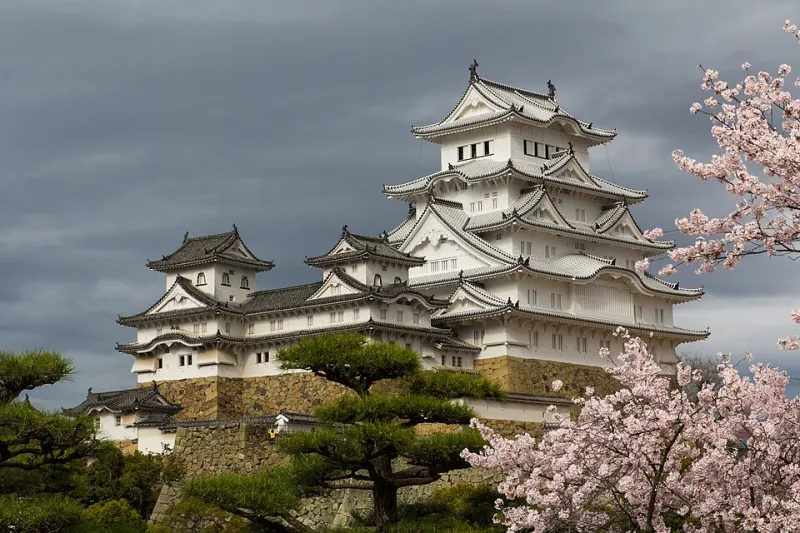
Photo: Oren Rozen, CC BY-SA 4.0, via Wikimedia Commons
Onimusha is not a history lesson. It is a mood. Stone walls, rain-slick steps, a castle that feels like it has been waiting for you, and a sword that hums with something that is definitely not normal. For a lot of US fans, the series was the first time feudal Japan felt like a playable horror movie. But the games are built on real bones. Real clans, real castles, real betrayals. The fun part is figuring out where the history ends and the demon portal begins.
A Fantasy Built on Real Bones
The Sengoku period was already dramatic enough without demons. Warlords fought for land, family names carried weight, and castles were both military machines and statements of ego. Onimusha grabs that world and adds a second layer: a demonic invasion that turns political ambition into supernatural horror. That combination works because the historical backdrop is specific. The game is not set in a generic old Japan. It name-drops Oda Nobunaga, the Akechi clan, and the Yagyu name. Those are not random fantasy labels. They are real historical players.
Inabayama and the Castle That Became a Dungeon
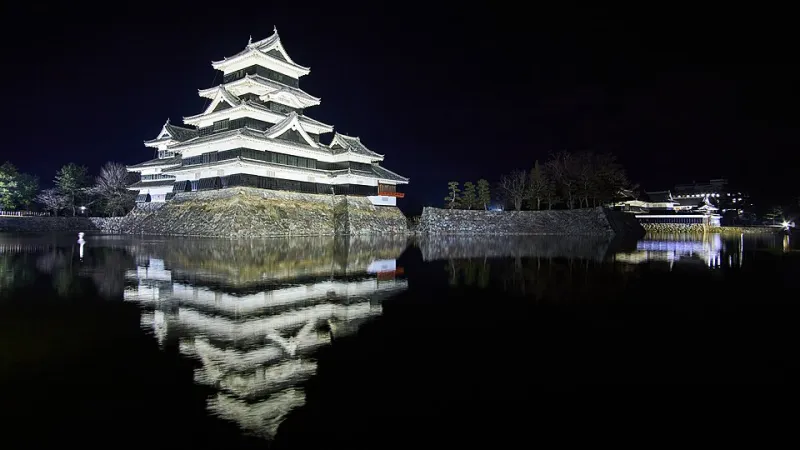
Onimusha's castle spaces feel like labyrinths, with locked doors, looping hallways, and rooms that seem to rearrange themselves when you are not looking. The historical inspiration is often Inabayama Castle, the Saito clan stronghold in Mino Province that Oda Nobunaga captured in 1567 and renamed Gifu. The real castle sat on a steep hill and was a serious defensive position. The game version is more interested in atmosphere than archaeology. It takes the idea of a mountain castle and turns it into a haunted pressure cooker.
That is a fair trade for a video game. Real castles were administrative centers, barracks, storage depots, and symbols of authority. They were not designed around dramatic boss arenas and convenient save rooms. Onimusha keeps the silhouette and the feeling of stone and height, then fills it with things that would make a real castle architect update his resume.
Azuchi, Honno-ji, and the Nobunaga Problem
Oda Nobunaga is the series' great historical anchor and its biggest dramatic liberty. The real Nobunaga was one of the most consequential figures of the Sengoku period. He built Azuchi Castle as a display of power, reshaped military and political structures, and was betrayed by Akechi Mitsuhide at Honno-ji in Kyoto in 1582. That betrayal is one of the most famous events in Japanese history. Onimusha takes that turning point and asks a very video game question: what if the story did not end there?
Azuchi Castle itself is a great example of how the games use history. The real castle was built in the 1570s and destroyed after Nobunaga's death. It does not survive as a complete original structure. Onimusha's castles borrow that grandeur and menace but push them into fantasy. The result is a version of Japan where the politics are real enough to sting and the demons are real enough to swing at.
Clans, Names, and the Yagyu Shuffle
The Yagyu clan is another place where Onimusha mixes real history with fiction. The Yagyu were a genuine swordsmanship family, and Yagyu Jubei is a famous figure in Japanese legend and popular culture. Onimusha 2 builds a whole adventure around that name, but it is not a documentary. The game uses the Yagyu legacy as a shortcut to credibility. You hear the name and you know you are in a world of serious swordplay.
Samanosuke Akechi is a similar case. The Akechi name is real because of Mitsuhide and the Honno-ji incident. Samanosuke himself is a fictional hero built to stand inside that history. That is not a flaw. It is the whole point. Onimusha is doing what historical fantasy has always done: using real names as scaffolding for a story that wants to be larger than life.
Osaka, Himeji, and the Postcard Version of History
Later games and spinoffs pull from the broader vocabulary of Japanese castles. Osaka Castle, Himeji Castle, and the great fortress towns of the era all feed into the series' visual language. Himeji, with its white walls and layered roofs, is the postcard version of a Japanese castle. Osaka is the political heavyweight. Onimusha uses those associations even when it is not being literal. A tall keep, a stone base, a narrow approach: the game knows you have seen those images before, and it uses them to make the demonic intrusion feel wrong.
For US fans planning a Japan trip in 2026, that is actually useful. Visit Himeji and you will see the romance. Visit the reconstructed Gifu Castle and you will see the hill. Visit the Honno-ji site and you will see how history keeps moving, rebuilding, and renaming. The demons are not there. The atmosphere is.
How to Enjoy the History Without Ruining the Game
The best way to approach Onimusha's history is the same way you approach a good haunted house. Enjoy the craft. Notice the real names. Appreciate the castles. Then let the game lie to you a little. It is not trying to teach a seminar. It is trying to make you feel like a samurai walking into a nightmare with a sword that glows in the dark.
That is why the series still works in 2026. The history gives the horror weight. The horror gives the history a pulse. Onimusha bends the facts, but it never loses the feeling of feudal Japan as a place of stone, rain, ambition, and very bad decisions. The demons are fictional. The vibe is real.